
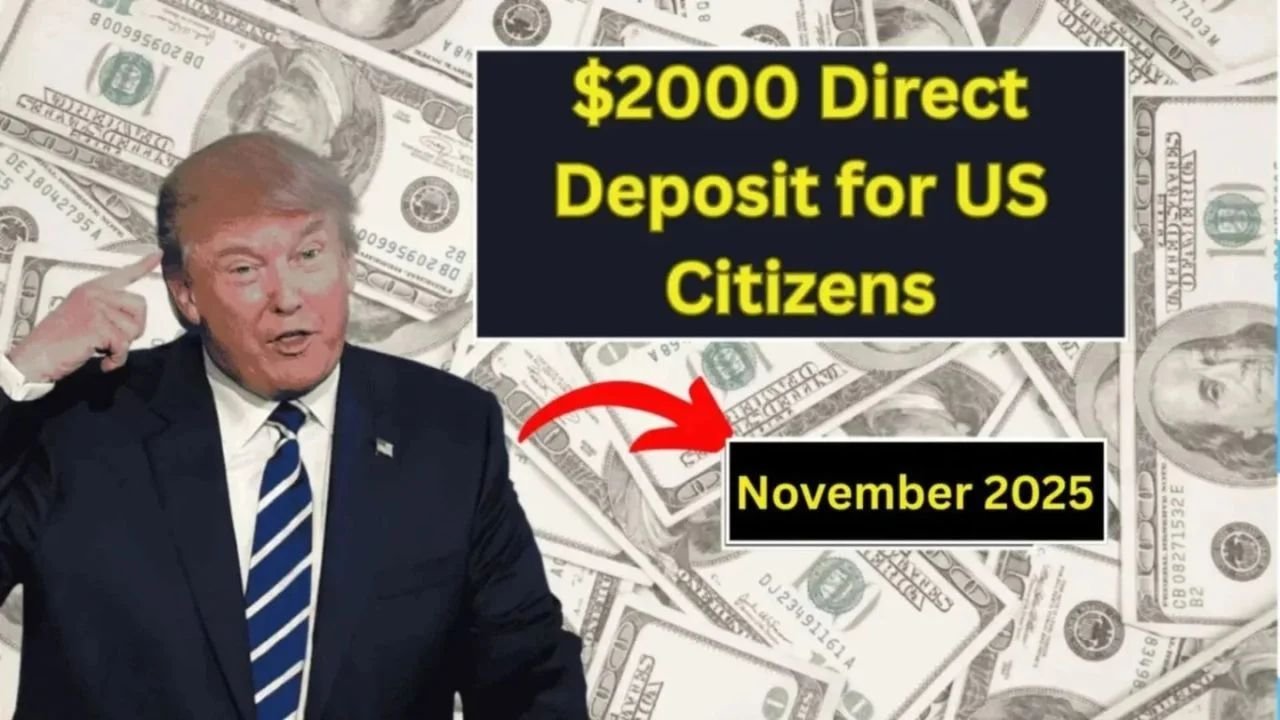
Millions of Americans are seeing viral posts claiming that the IRS is sending out $2,000 direct-deposit payments in November 2025. With rising living costs and financial uncertainty, the idea of a surprise $2,000 payment sounds amazing — but is it real?
This simple guide breaks down the facts, clears up misinformation, and helps you stay safe from scams.
Why Are People Talking About a $2,000 IRS Payment?

Social media posts, YouTube videos, and articles have spread claims that the IRS will send three $2,000 payment waves to:
- Social Security (SSI, SSDI) recipients
- VA beneficiaries
- Railroad Retirement recipients
- Low-income families and non-filers
- Households with dependents
Some posts even list supposed payment dates like November 12, 19, and 26, 2025, making the rumor appear believable.
But looking official doesn’t make it true.
Is the IRS Actually Sending $2,000 in November 2025?
Short Answer: No — the payment is not real.

There is no official IRS announcement, no approved law, and no government funding for a November 2025 $2,000 stimulus or relief payment.
Trusted fact-checkers and government sources confirm that:
- No federal stimulus bill has passed in 2025
- No IRS statement mentions $2,000 payments
- The schedules shared online are fake or misleading
If the federal government ever authorizes a payment, it is always announced publicly through IRS.gov and major news outlets.
Why This Rumor Spread So Quickly
A few reasons the $2,000 payment rumor went viral:
- Many people are still hopeful for another stimulus check
- Past payments (2020–2021) make similar claims seem believable
- Social-media creators often post “breaking news” to gain views
- Scammers use fake IRS updates to steal personal information

So while the rumor feels real, it is not backed by any official source.
How to Protect Yourself from Fake IRS Payment Claims
Staying safe is more important than chasing unconfirmed benefits. Follow these simple tips:
1. Trust Only Official Government Sources
Always verify news on:
- IRS.gov
- SSA.gov
- Official federal press releases
Avoid relying on videos, screenshots, or edited graphics.
2. Never Share Personal Information
The IRS will never ask for:
- Bank account numbers
- Social Security numbers
- Login details
- One-time codes via text or email
Any message asking for this is a scam.
3. Avoid Clicking Suspicious Links
Fake websites often imitate IRS pages to steal your data. Always type IRS.gov directly into your browser.
4. Keep Your IRS Online Account Updated
Even though this payment isn’t real, updating your bank details and address helps you receive any legitimate future benefits.
What About Future IRS Relief Payments?
It’s possible for new stimulus or relief payments to be approved in the future, but:
- Congress must pass a law
- Funding must be approved
- The IRS must announce official details
Any real payment plan will be widely reported by major news outlets — not just social media pages.
FAQs
1. Is the IRS sending a $2,000 payment in November 2025?
No. There is no official IRS program offering $2,000 payments for November 2025.
2. Are Social Security, SSI, SSDI, or VA beneficiaries getting extra money?
Not at this time. Any real payment must be approved by Congress first.
3. Do I need to apply anywhere?
No. Since the payment is not real, there is nothing to sign up for.
4. I saw a payment schedule online — is it real?
No. The dates being shared are part of the rumor and are not from the IRS.
5. Could new payments be approved later?
Yes. It’s possible, but only when officially announced by the government.
Conclusion
A $2,000 surprise payment would certainly help many Americans — but for now, the November 2025 IRS deposit rumor is not true. Staying informed, avoiding fake updates, and following trusted government sources is the best way to protect yourself.
If any real payments are approved in the future, the IRS will release the information publicly and you’ll hear about it from reliable, verified sources.